Skip to product information
1 of 11

2-Person Hurricane Emergency Kit - The SafeHarbor

2-Person Hurricane Emergency Kit - The SafeHarbor

Regular price $142.95 USD
Regular price Sale price $142.95 USD
Sale Sold out
Container
Quantity

Ships in 2–4 business days • 30-day returns on eligible items • Free shipping over $100

Product Highlights

  • Choose a backpack or a 5-gallon bucket with a toilet seat lid. Identical supplies, identical price
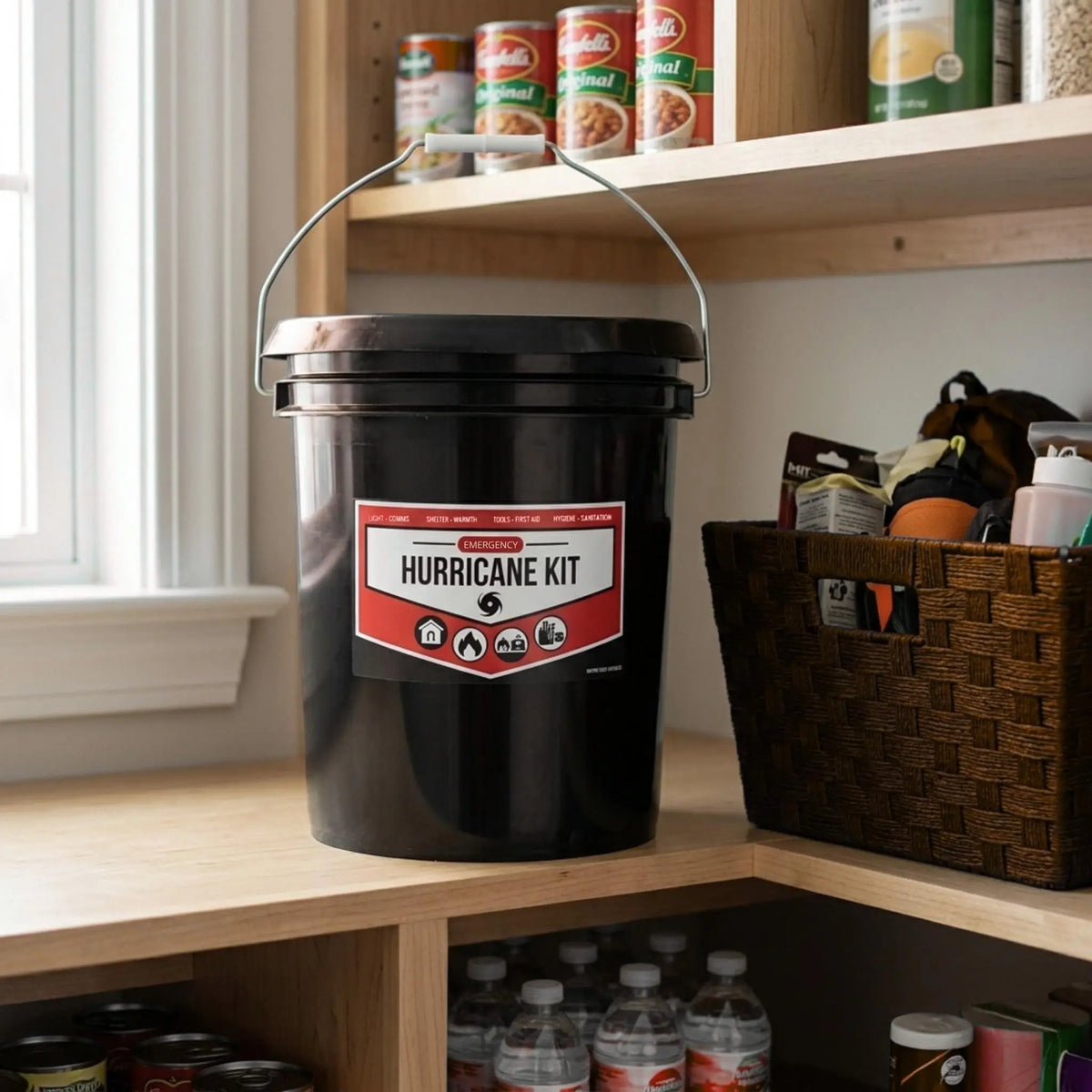
  • The bucket lid doubles as an emergency toilet, and the empty bucket holds water, works as a seat, and carries debris
  • A 3,600-calorie ration bar per person, portioned for three days, with a 3 to 5 year shelf life
  • 24 sealed 4 oz water pouches, plus 20 purification tablets treating just over five gallons in total
  • Flat fold 2 gallon water carrier and two 1-liter hydration bags with straws
  • 4-in-1 hand-crank dynamo: NOAA weather band radio, flashlight, siren, and phone charger, with no batteries to buy
  • LED lantern, emergency candle, bright stick, and a bright orange help flag
  • Two emergency sleeping bags, two hooded ponchos, a two-person tube tent, and two body warmers
  • Storm cleanup tools: metal hatchet, nails, duct tape, safety goggles, work gloves, and 50 feet of rope
  • A deluxe first aid kit, plus a two-person hygiene kit with toothbrushes, soap, shampoo, deodorant, and more
  • A starter supply of ready-to-drink water rather than a full three days, so keep stored water at home alongside it
  • 14 lbs either way. Backpack 18" × 10" × 10", bucket 12" × 12" × 15"
  • Hand-assembled in the USA

Hurricane season starts with a forecast, not an emergency. There is usually a stretch of days where the storm has a name and a track and you still have time to decide what your household is going to do. This kit is meant to fill that window, so that when the decision comes, deciding is the only work left.

A 72-hour emergency survival kit for two, built for hurricane preparedness, evacuation and extended power outages.

Built for hurricanes, useful well beyond them. The same supplies cover a winter storm that takes the power out for four days, a tornado warning that sends you to the basement, a wildfire evacuation, a boil-water advisory, or a grid failure in August. Hurricanes are simply the hardest version of the problem, because one storm can ask a household to shelter in place and evacuate in the same week. A kit built for that handles the easier cases comfortably.

Choose your container. The SafeHarbor comes two ways, with identical supplies inside and at the same price. The container is the only difference, and it should match what you would actually do.

Backpack. One multi-pocket pack, 14 lbs, 18 by 10 by 10 inches, contents sorted into waterproof bags. One person carries it to the car in one trip. This is the one for an evacuation zone, for a wildfire area, or for anyone who wants a ready go bag by the door.

Bucket. A five-gallon bucket with a toilet seat lid, 14 lbs, 12 by 12 by 15 inches. This is the one for staying put, and the lid is the reason. When the water stops, the toilet stops, and sanitation becomes urgent faster than most households expect. Lift the supplies out and the bucket is ready. Empty, it also holds collected water, works as a seat or a wash basin, and carries debris during cleanup. A backpack cannot do any of that. We checked.

Not sure which? Many emergencies call for sheltering in place rather than evacuating, so the bucket may suit more households than they expect. Plenty of families keep one of each, one by the door and one in the garage.

What is inside, either way:

Three days of food for each of you. A 3,600-calorie ration bar per person, with a three to five year shelf life and nothing to cook, heat, or add. Each bar is portioned at 1,200 calories a day for three days. That's an emergency ration, not a normal day's eating, but it keeps everyone going. No stove, no power, no hot water required, which is the whole point when the kitchen is out of action.

Water to drink now, and a way to make more. Twenty-four sealed 4 oz pouches, twelve per person, which comes to 48 ounces each, about a third of a gallon. Ready.gov, FEMA's preparedness campaign, recommends a full gallon per person per day for drinking and sanitation together, so treat the pouches as the supply that gets you started. Then there are twenty purification tablets, each treating one liter, which is a little over five gallons in total. A flat fold two gallon carrier and two 1-liter hydration bags with straws give you somewhere to put it. That combination is as useful during a boil-water advisory as it is after a storm.

A weather radio with no batteries to buy. The 4-in-1 dynamo unit hand cranks into a NOAA weather band radio, a flashlight, a siren, and a phone charger. NOAA weather band carries watches and warnings straight from the National Weather Service for every kind of severe weather, tornadoes and winter storms included, and it keeps working when the cell network is congested and your phone is at nine percent.

Light in four forms. An LED lantern for a room, the dynamo flashlight for your hands, an emergency candle, and an emergency bright stick. A bright orange help flag goes in a window so anyone working down the street knows which house to stop at.

Shelter and warmth for two. Two emergency survival sleeping bags, two hooded ponchos, a two-person tube tent with cord, and two instant body warmers. This is the part that matters in a winter outage, when the furnace goes quiet along with the lights.

Tools for the days after the storm, not just during it. A metal hatchet, a pack of nails, a roll of duct tape, safety goggles, rubber-palm work gloves, and fifty feet of nylon rope. A branch down across the driveway, a window that needs covering, wet debris to move out of the way. A multitool is fine during an emergency, but cleanup takes more than that. Alongside those, a multi-function pocket knife, a flint starter, a sewing kit, and a notepad and pencil.

First aid and hygiene that hold up for days. A deluxe soft shell first aid kit covers bandages, gauze, topical ointments, and medicine for the cuts, scrapes, and blisters that come with cleanup. The hygiene kit covers two people: toothbrushes and toothpaste, soap, shampoo and conditioner, deodorant, lotion, razors and shave cream, combs, washcloths, eighteen wet wipes, sanitary napkins, pocket tissues, face masks, and an infectious waste bag. Any long outage is dirty work, and staying clean is part of staying well.

Something to do. Fifty-two survival playing cards, each one illustrating a real skill. A long evening with no power goes faster with a deck of cards, and the kids pick something up without being taught.

Who it is for. Two people in one household. A couple, a parent and a teenager, or an adult child putting a kit in a parent's coat closet. If you live on the coast, buy it before the season. If you live inland, it is still the kit that covers the week your power goes out.

Keeping it ready. Check it twice a year, and the daylight saving weekends make an easy reminder. Replace the food and water if they are past date, and put back anything you have used. That is the whole maintenance list.

The SafeHarbor is hand-assembled in the USA.

Like every kit we sell, this one sends $1 to the National Forest Foundation.

Packed long before you need it, and forgotten until you do.

Who This Kit Is For

This kit is for two people in one household who want hurricane season handled without assembling a kit piece by piece. Couples, a parent and a teenager, roommates, empty nesters, and anyone setting up a first place of their own in a storm-prone area.

It also makes a practical kit to buy for someone else. An adult child can put one in a parent's coat closet in May and know it is there in September. The purification tablets drop straight into a hydration bag with no pumping and no tools, and the dynamo radio needs no batteries anyone has to remember to buy.

A note on the tools. The hatchet, nails, duct tape, goggles, and work gloves are here for storm cleanup and for covering a broken window. If nobody in the household would use them, the kit still earns its place on food, water, light, the NOAA radio, and first aid alone.

If your household is larger than two, add a food bar, a sleeping bag, a poncho, a warmer, and a hydration bag for each additional person, or look at a four-person kit instead.

What's Included

Container (choose one)

Backpack: 1 multi-pocket hikers backpack (red), 18" × 10" × 10", with components in waterproof bags
Bucket: 1 five-gallon bucket with toilet seat lid, 12" × 12" × 15"
Both weigh 14 lbs packed. Everything below is identical in either container.

Food & Water

2 Food Bars, 3,600 calories each (3 to 5 year shelf life)
24 Water Pouches, 4 oz each (3 to 5 year shelf life)
20 Water Purification Tablets, each treats 1 liter
2 Hydration Bags with Straw, 1 liter each
1 Flat Fold Water Carrier, 2 gallon

Light & Communication

1 4-in-1 Dynamo Flashlight: hand-crank NOAA weather band radio, siren, and phone charger
1 Emergency LED Lantern
1 Emergency Candle
1 Emergency Bright Stick
1 Bright Orange Help Flag

Shelter & Warmth

2 Emergency Survival Sleeping Bags
2 Emergency Ponchos with Hood
1 Two-Person Tube Tent with Cord
2 Instant Body Warmers

Tools

1 Metal Hatchet
1 Pack of Nails
1 Roll of Duct Tape
1 Safety Goggles
1 Pair Rubber-Palm Work Gloves
1 Nylon Rope, 50 feet
1 Multi-Function Pocket Knife
1 Flint Starter
1 Sewing Kit
1 Notepad and Pencil

First Aid

1 Deluxe Soft Shell First Aid Kit: bandages and gauze, topical ointments, medicine, and other items for a range of minor injuries

Hygiene & Sanitation

2 Reusable Face Masks
6 Disposable Face Masks (2 packs of 3)
1 Infectious-Waste Bag
1 Deluxe Hygiene Kit, containing:
2 Toothbrushes
2 Toothpaste
18 Wet Wipes
2 Soap
2 Shampoo and Conditioner
2 Toothpicks
2 Disposable Razors
2 Combs
6 Sanitary Napkins
2 Washcloths
2 Shave Cream
2 Deodorant Gel
2 Hand and Body Lotion
4 Pocket Tissues

Also Included

1 Deck of Survival Playing Cards (52 cards illustrating survival skills)

Scenarios This Kit Covers

  • Extended power outages. The most common reason this kit gets opened. Four light sources, a hand-crank radio and phone charger, food that needs no cooking, and warmth for two if the heat goes out with the lights.
  • Hurricane watches and warnings. Everything is in one container before the storm is named, so the forecast does not turn into a shopping trip. The NOAA weather band radio brings watches and warnings directly, without the cell network.
  • Winter storms and blizzards. Two emergency sleeping bags, two body warmers, two hooded ponchos, and food that needs no stove. A multi-day outage in January asks the same questions as one in September.
  • Tornadoes and severe storms. Light, a weather radio, first aid, and warmth work the same way for a night in the basement as they do for a hurricane. The backpack moves downstairs in one trip.
  • Evacuation. Wildfire, flood, or a chemical incident on the highway. One container for two people, ready to grab on the way out the door, with food, water, shelter, and first aid already inside.
  • Water service disruptions and boil water advisories. The tablets, the hydration bags, and the two gallon carrier give you a way to treat and hold water. Your local utility's instructions come first, so follow them and the tablet package directions together.
  • Cleanup after any storm. The hatchet, nails, duct tape, goggles, gloves, and rope are for a branch across the driveway or a window that needs covering until a repair can happen.

Pro Tips

Make It Yours!

Not included: a full three-day supply of ready-to-drink water, medications, backup power for medical equipment, or trash bags to line the bucket.

Consider adding:

  • Stored water. Ready.gov, FEMA's preparedness campaign, recommends one gallon per person per day. That is six gallons for two people over three days. The pouches and tablets are the portable part; keep jugs at home alongside the kit.
  • Heavy-duty trash bags and ties if you choose the bucket, to line it when the lid is in use.
  • Medications. The American Red Cross recommends at least a seven-day supply, along with any medical items you rely on.
  • Copies of important documents in a waterproof bag: insurance policies, identification, and your evacuation zone information.
  • A charging cable that fits your phone, so the dynamo charger is usable.
  • Glasses, contact lens supplies, and hearing aid batteries for anyone who uses them.
  • Cash in small bills, since card readers need power.
  • Sturdy closed shoes you can walk and clear debris in.

Tips:

  • Check the dates when it arrives. The food bars and water pouches carry a three to five year shelf life. Note the earliest date and set a calendar reminder for the year it is due.
  • Read the tablet directions now, not later. Knowing the dose and the wait time ahead of time makes the tablets easy to use when the tap is off.
  • Store drinking water beside the kit. Six gallons covers two people for three days. Keep it on the same shelf or closet floor so it is part of the same plan.
  • Crank the dynamo unit twice a year and find your local NOAA weather band channel while everything is calm. Pair the check with the spring and fall clock changes.
  • Add a charging cable for your phone. The dynamo charges by hand crank, but only with a cable that fits your device.
  • Buy it in the spring. Kits sell out and shipping slows once a storm is named. May is an easier month for this than August.
  • Pack shoes and a change of clothes near it. The kit covers supplies. Footwear you can walk and clear debris in is worth keeping alongside.
  • If you are in a flood-prone home, store the kit above your expected water level rather than in a basement.
  • Backpack or bucket? Choose by your plan. The supplies and price are identical. Take the backpack if you live in an evacuation zone or want one bag a single person can carry to the car. Take the bucket if you're inland, above the surge line, and plan to stay put.
  • The bucket becomes a toilet if the water stops. Lift the supplies out, line it with a heavy-duty trash bag (you add this yourself), and tie the bag off after each use. The lid is already a toilet seat.

Size & Storage

Both containers weigh 14 lbs. The backpack measures 18" × 10" × 10" and the bucket 12" × 12" × 15". A coat closet floor, a hall closet shelf, a pantry floor, or a garage corner all work, and indoors is better than a garage that bakes in summer or freezes in winter, which is hard on food, water, and batteries. If your home is flood-prone, store it above your expected water level rather than in a basement. Keep the backpack near the door you would actually leave by, and the bucket wherever you would shelter.

Good to Know...

What's the difference between a hurricane watch and a warning?

The National Weather Service uses two levels:

  • Hurricane watch: hurricane conditions (sustained winds of 74 mph or more) are possible in your area. It's issued about 48 hours before tropical-storm-force winds are expected.
  • Hurricane warning: those conditions are expected somewhere in the area. It's issued about 36 hours ahead.

A watch is your cue to check the kit, store water and charge phones. A warning is the time to finish up and follow local officials' instructions.

How do you use a generator safely after a hurricane?

Outside only. The CDC says to keep generators at least 20 feet from doors, windows and vents, and never to use generators or grills in your home, garage or carport, or right next to the house. It also recommends checking the battery in your carbon monoxide detector before the storm arrives.

Should you stay home or evacuate?

It depends on your zone and what local officials say. Either way, the CDC suggests finding your nearest shelter ahead of time, along with more than one route to get there, and following the roads emergency workers recommend even when there's traffic. Our guide to deciding whether to stay home or evacuate walks through it.

If you had to leave tonight, which two routes would you take?

The SafeHarbor keeps two people's supplies packed in one place, so the decisions are the only part left to make.

Sources: National Weather Service, Hurricane Watches and Warnings. CDC, Hurricane Safety and Avoiding Carbon Monoxide Poisoning.

What does 72-hour mean?

The SafeHarbor is a 2-person hurricane emergency kit that covers the first three days after a storm. It includes three days of emergency food rations, about 1,200 calories per person per day, and supplies to help with water.

In this kit: 48 oz of drinking water per person, 20 water purification tablets (each treats 1 liter), and a 2-gallon water carrier.

What you'll still need to add. Stored water is the most important thing to keep alongside a hurricane 72-hour kit, and the 2-gallon carrier gives you a head start. Ready.gov, FEMA's preparedness campaign, recommends one gallon of water per person per day. That's 6 gallons for two people over three days. Add that, along with medications, personal necessities, and anything else your household relies on.

About water supplies. Purification tablets and filters treat water you already have; they don't create it, and tablets don't remove chemical contamination. A storage container only helps if it's filled ahead of time. None of these eliminate the need to plan for a safe drinking-water supply.

View full details
2-Person Hurricane Emergency Kit - The SafeHarbor $142.95